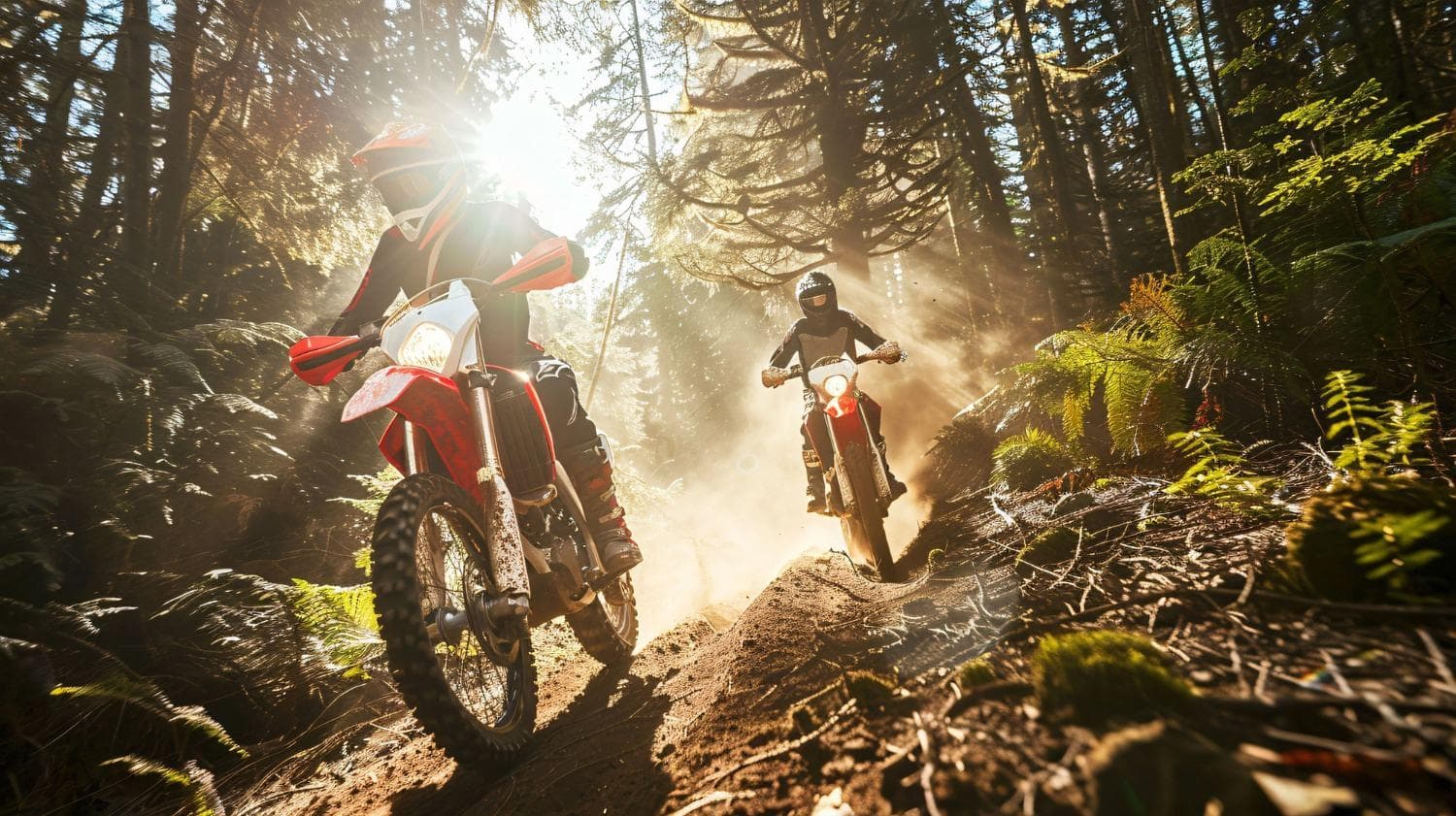
Learn what equipment you need for a safe and comfortable enduro tour. From helmets to boots - we show you what's really important and what you need to bring.
Proper equipment is the foundation of every great enduro adventure. Whether you're a first-timer or an experienced rider, having the right gear means the difference between an uncomfortable struggle and an exhilarating experience you'll never forget.
Important: You need to bring your own protective gear for our tours. But understanding what makes quality gear will help you prepare mentally and physically for your adventure.
In this guide, we'll break down exactly what equipment matters and what you should bring for maximum comfort and safety.
What You Need to Bring: Essential Protective Gear
Let's start with the most important question: "Do I need to buy expensive gear before trying enduro?"
The answer: Yes, you need your own protective gear.
For your safety and comfort, you must bring your own professional-grade riding equipment. Here's what you need:
Essential Protective Equipment You Need
1. Full-Face Off-Road Helmet
- DOT/ECE certified for maximum safety
- Choose the right size for your head
- Proper ventilation for long rides
- Compatible with goggles
- Keep it clean and well-maintained
Why it matters: Your helmet is your most critical piece of safety gear. Make sure it fits properly and is in good condition.
2. Off-Road Riding Boots
- Full ankle and shin protection
- Steel toe caps and reinforced soles
- Choose the right size for your feet
- Proper arch support for all-day riding
- Waterproof construction
Why it matters: Off-road boots protect your feet, ankles, and lower legs from impacts, branches, and heat. Regular shoes or street motorcycle boots won't cut it—the terrain demands serious protection.
3. Body Armor & Chest Protector
- Hard-shell chest protection
- Back protector integrated
- Shoulder and elbow guards
- Adjustable straps for perfect fit
- Lightweight but impact-resistant
Why it matters: Trees, falls, and bike contact happen. Body armor absorbs impacts that would otherwise bruise or break ribs.
4. Riding Gloves
- Reinforced palms and knuckles
- Touchscreen-compatible fingertips
- Breathable back panels
- Choose the right size for your hands
- Great grip in all conditions
Why it matters: Controlling a motorcycle requires constant grip. Quality gloves prevent blisters, protect hands in falls, and maintain control when you're sweaty or wet.
5. Waterproof Riding Jacket & Pants
- Windproof and waterproof outer shell
- Breathable inner lining
- Adjustable cuffs and waist
- Reinforced in high-wear areas
- Choose the right size for your body
Why it matters: Weather changes fast in Latvia. Even if it's sunny when you start, conditions can shift. Quality gear keeps you dry and comfortable regardless.
6. Kidney Belt (Optional)
- Lower back support
- Reduces fatigue on long rides
- Helps maintain proper posture
- Recommended for riders over 40 or those with back concerns
What We Provide: Motorcycle & Support Equipment
Your Rental Bike Comes With:
- Properly maintained enduro motorcycle matched to your height and skill
- Full fuel tank (refueling included on tours)
- Hand guards to protect hands from branches
- Skid plate to protect engine
- All necessary maintenance tools
Support Equipment We Provide:
- First aid kit with guide
- Emergency communication devices
- Spare parts and tools
- Tire repair capability
What You Should Bring: Personal Items for Comfort
Since you're bringing your own protective gear, here are additional personal items you should bring for maximum comfort.
Essential Personal Clothing
1. Moisture-Wicking Base Layers
What to wear under the riding gear:
- Top: Long-sleeve or short-sleeve technical shirt (synthetic or merino wool)
- Bottom: Athletic compression pants or riding tights
- Underwear: Moisture-wicking, seamless preferred
Why not cotton? Cotton absorbs sweat and stays wet, leaving you cold during breaks. Technical fabrics wick moisture away from your skin, keeping you comfortable.
Recommended brands:
- Under Armour HeatGear
- Nike Dri-FIT
- Merino wool (Icebreaker, Smartwool)
- Decathlon's house brand (budget-friendly)
2. Mid-Layer for Breaks
- Light fleece or thermal top
- Packable lightweight jacket
- Something warm for rest stops
Even on warm days, you'll cool down quickly during breaks. Having a mid-layer prevents getting chilled.
3. Proper Socks
- Mid-calf or knee-height athletic socks
- Moisture-wicking material
- Extra cushioning in sole
- Bring 2 pairs for multi-day tours
🏍️ Ready to experience this yourself?
Thick hiking socks work great. Avoid thin dress socks—they cause blisters inside riding boots.
Accessories & Protection
Sunscreen & Sun Protection:
- SPF 30+ face and neck sunscreen
- Lip balm with SPF
- Buff or neck gaiter (multi-use: warmth, sun protection, dust filter)
You're outside all day. Even cloudy days mean UV exposure.
Eye Protection:
- Clear glasses or goggles (if you don't wear prescription glasses)
- Prescription glasses work fine under our goggles
- Tear-offs or goggle cleaner if you have your own goggles
Personal Medical:
- Any prescription medications
- Personal EpiPen (if allergic to bee stings)
- Blister prevention (Compeed, moleskin)
- Pain reliever (ibuprofen for muscle soreness)
Hydration & Nutrition
Water:
- Hydration pack (2-3 liter capacity) OR
- 2x water bottles
- Electrolyte tablets (optional but recommended)
You'll sweat a lot. Staying hydrated prevents fatigue and keeps you sharp.
Snacks:
- Energy bars (3-4)
- Trail mix or nuts
- Bananas or fruit
- Quick energy (gels or chews) for longer tours
We take regular breaks, but having personal snacks ensures you maintain energy between stops.
Lunch (for full-day tours):
- Packed lunch OR
- Cash/card for local cafés (we often stop at rural cafés)
Tech & Extras
Must-Bring:
- Phone (fully charged)
- Power bank
- Small backpack or fanny pack to carry personal items
Nice-to-Have:
- Action camera (GoPro, Insta360)
- Camera mounts (helmet or chest mount)
- Extra memory card
- Waterproof bag for phone/camera
- Earplugs (reduce wind noise, prevent fatigue)
After-Ride:
- Complete change of clean clothes
- Towel (if you want to shower post-ride)
- Flip-flops or comfortable shoes
- Basic toiletries
Equipment Fitting: Getting It Right
Proper fit is crucial for safety and comfort. Here's what happens during equipment fitting:
Helmet Fitting Process
- We measure your head circumference
- You try on 2-3 helmet sizes
- Proper fit means:
- Snug but not painful
- No excessive movement when you shake your head
- Cheek pads touch your face firmly
- Forehead touches the front padding
Too tight: Headache within 15 minutes
Too loose: Helmet shifts around, unsafe
Boot Fitting
- Wear your riding socks during fitting
- Boots should feel snug but not painful
- Your toes should barely touch the front when standing
- Test by walking and squatting
- They'll feel stiff at first—this is normal
Remember: Boots won't "break in" during a short tour. They need to fit from the start.
Body Armor Fitting
- Put on over your base layer
- Chest protector should cover ribs completely
- Back protector should cover spine from shoulders to lower back
- Should feel snug but not restrict breathing
- Adjust all straps for secure fit
Test by raising arms overhead and leaning side to side. It shouldn't shift around.
Equipment Maintenance During Your Tour
We handle all bike maintenance, but here's how to care for your personal items:
Daily Gear Care
Helmet & Goggles:
- Wipe visor/goggles clean during breaks
- We'll provide cleaning supplies
- Keep in shade when not wearing (heat damages foam)
Boots:
- Knock off excess mud after riding
- Loosen laces/straps during breaks to air them out
- Stuff with newspaper overnight if wet (absorbs moisture)
Gloves:
- Hang to dry if wet
- Don't leave in direct sun (damages material)
Hydration Pack:
- Rinse mouthpiece after each use
- Don't leave water sitting overnight (bacteria grows)
Special Gear Considerations
For Taller Riders (190cm+)
- Notify us in advance for XXL helmet/boots
- Request longer body armor
- We have extended gear but limited quantities
For Smaller Riders (under 165cm)
- We stock XS/S equipment
- Youth sizing available if needed
- Bikes can be lowered for shorter inseam
For Riders with Glasses
- Prescription glasses work under our goggles
- We recommend sports strap to secure glasses
- Consider contact lenses if you have them (easier with goggles)
For Female Riders
- All equipment is unisex
- We have smaller sizing that fits most women
- Sports bra with good support recommended
- Consider padded cycling shorts under riding pants for comfort
For Riders with Injuries or Limitations
Please inform us about:
- Previous knee/ankle injuries (we have extra bracing)
- Back problems (kidney belt strongly recommended)
- Shoulder limitations (affects body armor fit)
- Any condition that might affect riding
We'll work with you to ensure proper support and comfort.
What NOT to Bring
Leave these at home:
❌ Regular motorcycle gear (street riding gear isn't suitable for off-road)
❌ Jewelry (rings, necklaces, watches can catch or get damaged)
❌ Valuables (unnecessary risk in rough conditions)
❌ Cotton clothing (stays wet, makes you cold)
❌ Open-toe shoes (for after riding, bring closed-toe shoes)
❌ Excessive luggage (you need basics only)
Upgrading Your Gear: When to Buy Your Own
After your first tour, you might want to invest in personal gear. Here's what to prioritize:
Worth Buying First:
- Quality base layers (€40-80) - Use them for all activities, not just riding
- Personal hydration pack (€30-60) - Universal for hiking, cycling, etc.
- Your own gloves (€50-100) - Personal fit matters most
- Riding boots (€200-400) - If you plan multiple tours, custom fit is worth it
Buy Later (Only If You Ride Regularly):
- Helmet (€200-500)
- Body armor (€150-300)
- Full riding kit jacket/pants (€300-600)
Our advice: Don't buy gear until you've done 2-3 tours and know you love the sport. Rent from us, invest that money in more riding experiences first.
Gear Checklist: Print & Pack
Download our printable checklist or screenshot this:
You Need to Bring (Required)
- ❌ Helmet (required)
- ❌ Boots (required)
- ❌ Body armor (required)
- ❌ Gloves (required)
- ❌ Riding jacket & pants (required)
Provided by Enduro Latvia
- ✅ Motorcycle & fuel
- ✅ Support vehicle & tools
- ✅ First aid & emergency equipment
Bring Yourself
Clothing:
- Moisture-wicking base layer (top & bottom)
- Mid-layer for breaks (fleece/light jacket)
- 2 pairs athletic socks
- After-ride change of clothes
- Comfortable shoes
Protection:
- Sunscreen SPF 30+
- Lip balm with SPF
- Prescription glasses (if needed)
- Personal medications
Hydration & Nutrition:
- Hydration pack or 2x water bottles
- Energy bars (3-4)
- Trail mix or snacks
- Lunch or cash for food
Tech & Extras:
- Phone (fully charged)
- Power bank
- Small backpack
- Camera (optional)
- Earplugs (optional)
- Towel (if showering post-ride)
Pre-Tour Equipment Questions?
Common questions we get:
Q: Can I use my street motorcycle helmet?
A: We strongly recommend off-road helmets. Street helmets lack proper ventilation and visor placement for off-road riding. Make sure you bring a proper off-road helmet.
Q: I have my own off-road boots. Can I bring them?
A: Absolutely! If they're in good condition and properly protective, feel free. Just mention it during booking so we don't assign you rental boots.
Q: What if my gear doesn't fit properly?
A: Make sure to try on all your gear before the tour. Proper fit is crucial for safety and comfort. If you need help choosing gear, consult with a local motorcycle shop.
Q: Do I need my own riding jersey/pants?
A: You need to bring your own waterproof riding jacket and pants. Wear your base layers underneath.
Q: Can I wash gear during multi-day tours?
A: Base layers: yes, bring quick-dry fabrics. For 3+ day tours, bring 2 sets of base layers and plan for gear washing.
Q: What about knee braces?
A: If you normally wear knee braces (medical or preventive), bring them and wear under your riding pants.
Ready to Gear Up?
You now know exactly what equipment you need for a safe and enjoyable enduro adventure. Bring your protective gear and personal items, and we'll handle the motorcycle and support equipment.
Most important: Proper gear isn't about looking cool. It's about:
- Safety: Protecting you from impacts and elements
- Comfort: Allowing you to ride longer without fatigue
- Confidence: Knowing you're properly equipped lets you focus on the experience
With the right equipment and our expert guidance, you're ready for an incredible enduro adventure.
Questions about gear or what to bring? Check available dates or message us on WhatsApp. We're happy to help you prepare!
Related Articles
How to Handle Emergency Situations on an Enduro Tour: Complete Safety Guide
Learn our safety protocols and how to handle unexpected situations on enduro tours. Your safety is our top priority - here's how we keep you protected.
Beginner's Weekend Enduro Checklist: Everything You Need for Your First Tour
Planning your first enduro weekend in Latvia? This comprehensive checklist covers gear, fitness, mental preparation, and what to expect on tour day.
Enduro in Latvia by Season: When to Ride & What to Expect
Discover the best times to experience enduro riding in Latvia, from muddy spring trails to golden autumn adventures. Learn what each season offers and how to prepare.